
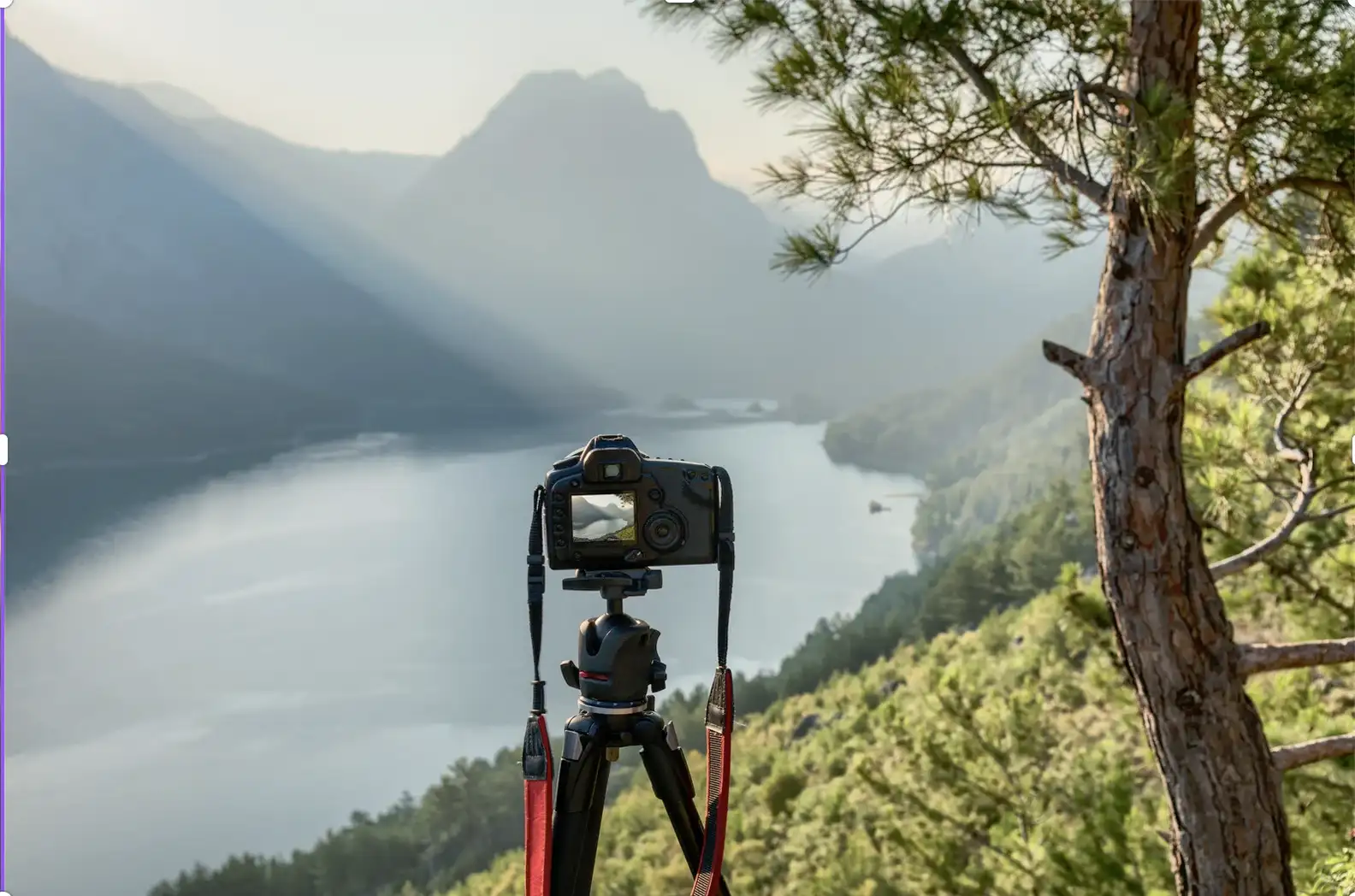
The United Kingdom offers a rich variety of landscapes—from the rugged coastlines of Cornwall to the rolling hills of the Lake District and the dramatic Scottish Highlands. Capturing the beauty of these scenes through photography requires a blend of technical knowledge, patience, and creativity. Whether you’re an amateur with a smartphone or an professional photographer with professional gear, these tips will help you take your landscape photography to the next level.
Plan Your Shoot for the Best Light
Lighting plays a crucial role in landscape photography. The right light can transform an ordinary scene into a breathtaking image.
- Golden Hour: This refers to the period shortly after sunrise and before sunset when the light is soft, warm, and flattering. It’s perfect for capturing landscapes with rich colours and long shadows.
- Blue Hour: The time just before sunrise or after sunset offers cool, moody tones – ideal for cityscapes or seascapes.
- Overcast Days: Soft, diffused light on cloudy days can be excellent for capturing lush green landscapes, particularly in places like the Peak District or Snowdonia.
Tip: Use weather apps to track light conditions and plan accordingly.
Use the Right Equipment for Landscape Photography
While it’s possible to capture beautiful landscapes with any camera, the right tools can enhance the quality and creativity of your shots.
- Camera: A DSLR or mirrorless camera with manual settings allows you to control exposure and capture finer details.
- Lenses: Wide-angle lenses (e.g., 16-35mm) are ideal for capturing vast landscapes. Telephoto lenses (e.g., 70-200mm) work well for isolating distant details, such as a castle on a hill.
- Tripod: Essential for long exposures and ensuring sharp images, especially in low-light conditions.
- Filters: Use a polarising filter to reduce glare and enhance skies and water. Neutral density (ND) filters allow for longer exposures, creating dreamy effects on moving water.
Master Composition Techniques
Composition determines how elements within your frame interact and guide the viewer’s eye through the image.
- Rule of Thirds: Divide your frame into a 3×3 grid and position key elements along the gridlines for a balanced composition.
- Leading Lines: Use natural lines (like paths, rivers, or fences) to draw the viewer’s eye into the scene.
- Foreground Interest: Including a foreground element, such as flowers or rocks, adds depth and makes the image more immersive.
Tip: Experiment with different angles—shoot low to emphasise textures or higher to capture sweeping views.
Pay Attention to Weather and Seasons
The UK’s diverse weather and changing seasons provide unique photographic opportunities year-round.
- Spring: Capture fields of bluebells or blossoming orchards.
- Summer: Explore coastal areas like Dorset’s Jurassic Coast or the Scottish Isles in warm, golden light.
- Autumn: The Lake District and New Forest offer stunning displays of autumnal foliage.
- Winter: Snow-covered landscapes in Snowdonia or the Cairngorms provide dramatic, minimalist scenes.
Tip: Embrace unpredictable UK weather—mist and rain can add a moody, atmospheric feel to your images.
Use Manual Settings for Full Control
Switching to manual mode gives you control over every aspect of your exposure.
- Aperture (f/stop): Use a small aperture (f/8 – f/16) to keep the entire scene in sharp focus.
- Shutter Speed: For standard landscapes, use a shutter speed of 1/60s or faster. For long exposures (e.g., silky waterfalls), slow it down to several seconds.
- ISO: Keep ISO low (100-200) to reduce noise and ensure the highest image quality.
Tip: Use your camera’s histogram to check exposure—avoid overexposed highlights or underexposed shadows.
Capture Movement with Long Exposures
Adding movement to your landscape photography can create dynamic and captivating images.
- Waterfalls and Rivers: Use an ND filter to slow the shutter speed (2-10 seconds) and capture silky, flowing water.
- Cloud Movement: On windy days, long exposures (30 seconds or more) can create dramatic streaks across the sky.
- Coastal Waves: Try a shutter speed of 1-2 seconds to blur waves while maintaining the shape of the water.
Tip: Always use a tripod for long exposures and a remote shutter release to avoid camera shake.
Post-Processing for Final Touches
Editing your images helps to refine and enhance your landscape photography while keeping the scene natural.
- Adjust Exposure and Contrast: Ensure the image is well-balanced between highlights and shadows.
- Enhance Colours: Use subtle colour adjustments to make the sky and landscape pop without oversaturation.
- Sharpening: Apply sharpening to bring out fine details, especially in textures like rocks and foliage.
Tip: Adobe Lightroom and Capture One are popular software choices for professional-level editing.
Explore Iconic UK Landscape Locations
The UK is home to some of the most breathtaking landscapes in the world. Here are a few must-visit spots:
- The Lake District: Rolling hills, reflective lakes, and timeless beauty.
- Isle of Skye: Dramatic cliffs, rugged coastlines, and otherworldly landscapes.
- Jurassic Coast: Stunning geological formations and golden beaches.
- Snowdonia: Majestic mountains and lush valleys in Wales.
- South Downs: Classic rolling countryside and chalk cliffs.
Tip: Venture off the beaten path to discover hidden gems beyond the well-known tourist spots.
Landscape Photography: Final Thoughts
Landscape photography in the UK offers endless creative possibilities. By mastering light, composition, and camera techniques, you’ll be well on your way to capturing breathtaking images of the country’s natural beauty. Whether you’re standing on a windswept cliff in Cornwall or hiking through the Scottish Highlands, patience and practice will lead to stunning photographic results.