
Portrait photography is all about capturing the essence of a person—showcasing their personality, emotions, and unique features. Whether you are a beginner or looking to refine your skills, there are a variety of techniques that can elevate your portrait shots from average to exceptional.
In this guide, we will share practical portrait photography tips to help you master the art, whether you are shooting in a professional studio, outdoors, or simply using natural light.
Choose the Right Location
The location sets the tone of your portrait and can influence the mood of the final image. Consider the following options:
- Outdoor Portraits: Ideal for natural, candid shots. Use soft light during the golden hour (just after sunrise or before sunset) for flattering skin tones.
- Indoor Portraits: Perfect for controlled lighting and intimate settings. Use a clean background or simple props to avoid distractions.
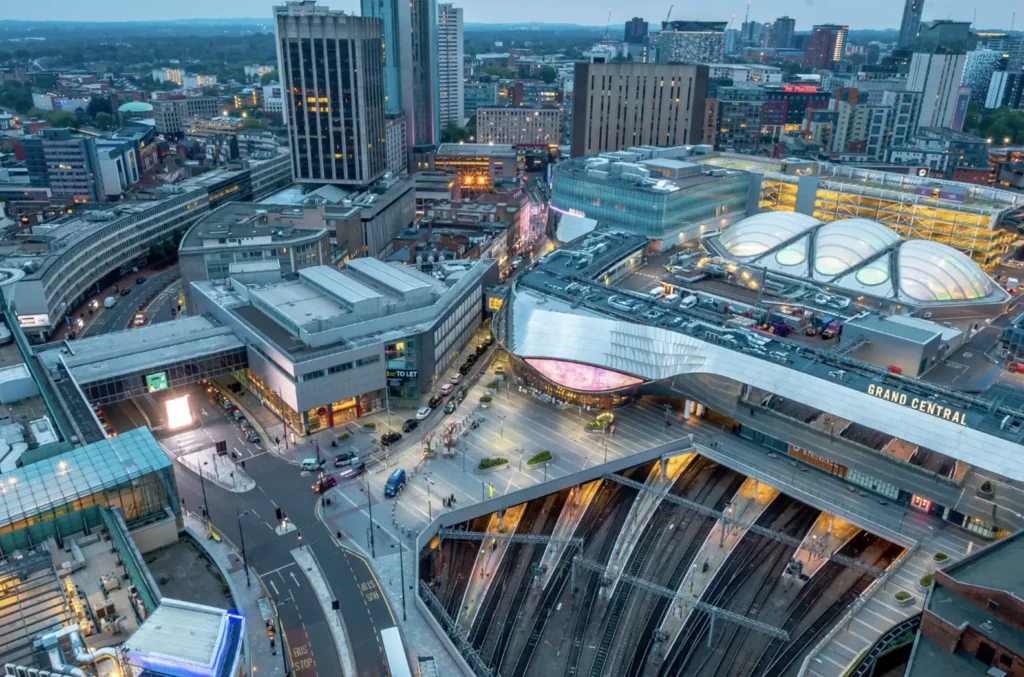
- Urban Settings: Cities and towns offer interesting textures like brick walls, alleyways, or classic UK landmarks.
Tip: Consider the subject’s personality when choosing a location—are they more suited to a relaxed outdoor vibe or a sleek, polished studio environment?
Master Natural and Artificial Lighting
Lighting is crucial in portrait photography. Understanding how to use both natural and artificial light will help you shape your subject beautifully.
- Natural Light: Soft, diffused daylight is the most flattering. Overcast days are perfect for even skin tones without harsh shadows.
- Artificial Light: Use a softbox or ring light for controlled, even lighting. For dramatic effects, experiment with a single light source from the side.
Tip: Avoid harsh midday sunlight as it can cause unflattering shadows. If shooting outdoors, find shaded areas for softer light.
Focus on Composition and Framing
Composition is key to creating visually appealing portraits. Here are a few essential composition techniques:
- Rule of Thirds: Position the subject slightly off-centre for a balanced frame.
- Leading Lines: Use natural lines (such as fences or paths) to draw attention to the subject.
- Fill the Frame: Get close to your subject to highlight facial expressions and details.
Tip: For environmental portraits, include background elements to tell a story without overwhelming the subject.
Capture Natural Poses and Expressions
The best portraits feel genuine and authentic. Help your subject relax and interact with the camera naturally.
- Engage with Your Subject: Talk to your subject to make them feel at ease. Ask questions or use humour to capture natural expressions.
- Guide Gently: Provide simple posing cues. For instance, ask them to tilt their chin slightly or turn their shoulders for a more dynamic pose.
- Candid Moments: Capture spontaneous moments in between posed shots for more authentic results.
Tip: Encourage the subject to bring props that reflect their personality (e.g., a musical instrument, book, or pet) for more meaningful portraits.
Choose the Right Camera Settings
Using the correct camera settings is vital for capturing sharp, well-lit portraits. Here’s a quick guide:
- Aperture (f/stop): Use a wide aperture (f/1.8 – f/4) for a blurred background (bokeh effect) and to focus attention on the subject.
- Shutter Speed: Ensure your shutter speed is at least 1/125s to prevent motion blur.
- ISO: Keep ISO low (100-400) in well-lit conditions to avoid grainy images. Increase ISO in low-light situations when necessary.
Tip: Shoot in RAW format to retain maximum detail and allow for easier adjustments during post-processing.
Pay Attention to Backgrounds and Details
A cluttered background can distract from your subject. Keep it simple and intentional.
- Background Blur: Use a wide aperture to create a shallow depth of field and blur distracting backgrounds.
- Complementary Colours: Choose backgrounds and clothing that complement skin tones and the overall mood.
- Watch for Distractions: Look out for unwanted objects like poles or signs appearing behind the subject’s head.
Tip: Experiment with UK-specific backdrops such as classic brick walls, rolling countryside, or iconic landmarks to add a local flavour.
Use Creative Angles and Perspectives
Varying your angles adds creativity and interest to your portraits.
- Eye Level: For a natural and flattering look, shoot at the subject’s eye level.
- High Angle: Shoot from above to create a softer, more vulnerable feel.
- Low Angle: Shooting from below can convey power and confidence.
Tip: Encourage movement—have the subject walk, turn, or interact with the environment to capture dynamic and engaging images.
Enhance Your Portraits with Editing
Post-processing allows you to refine and perfect your images while maintaining a natural appearance.
- Adjust Exposure and Contrast: Ensure the subject is well-lit without overexposing highlights.
- Skin Retouching: Smooth skin gently, but avoid over-editing to keep the portrait realistic.
- Colour Grading: Use subtle colour adjustments to set the mood and style.
Tip: Use editing software like Adobe Lightroom or Capture One for professional-level control over your final image.
Tailor Your Approach to the Subject
Different types of portraits may require different approaches:
- Professional Headshots: Aim for clean backgrounds and simple, confident poses.
- Family Portraits: Capture interactions and natural smiles.
- Creative Portraits: Use bold lighting and unusual angles to express artistry.
Tip: Always consult your subject beforehand to understand their goals and preferences.
Practice and Experiment
The best way to improve your portrait photography is through regular practice and experimentation.
- Try Different Lighting: Experiment with natural light, flash, and continuous lighting.
- Work with Diverse Subjects: Photograph people of all ages, backgrounds, and personalities.
- Learn from Others: Study the work of professional portrait photographers for inspiration.
Tip: Offer friends and family free portrait sessions to gain experience and build a strong portfolio.
Final Thoughts
Mastering portrait photography involves a blend of technical skill, creative vision, and human connection. By following these tips—focusing on lighting, composition, and working with your subject—you can create compelling portraits that capture personality and emotion.
Whether you are photographing clients in the heart of London, against the picturesque backdrop of the Lake District, or in a home studio, attention to detail and a willingness to experiment will set your work apart.