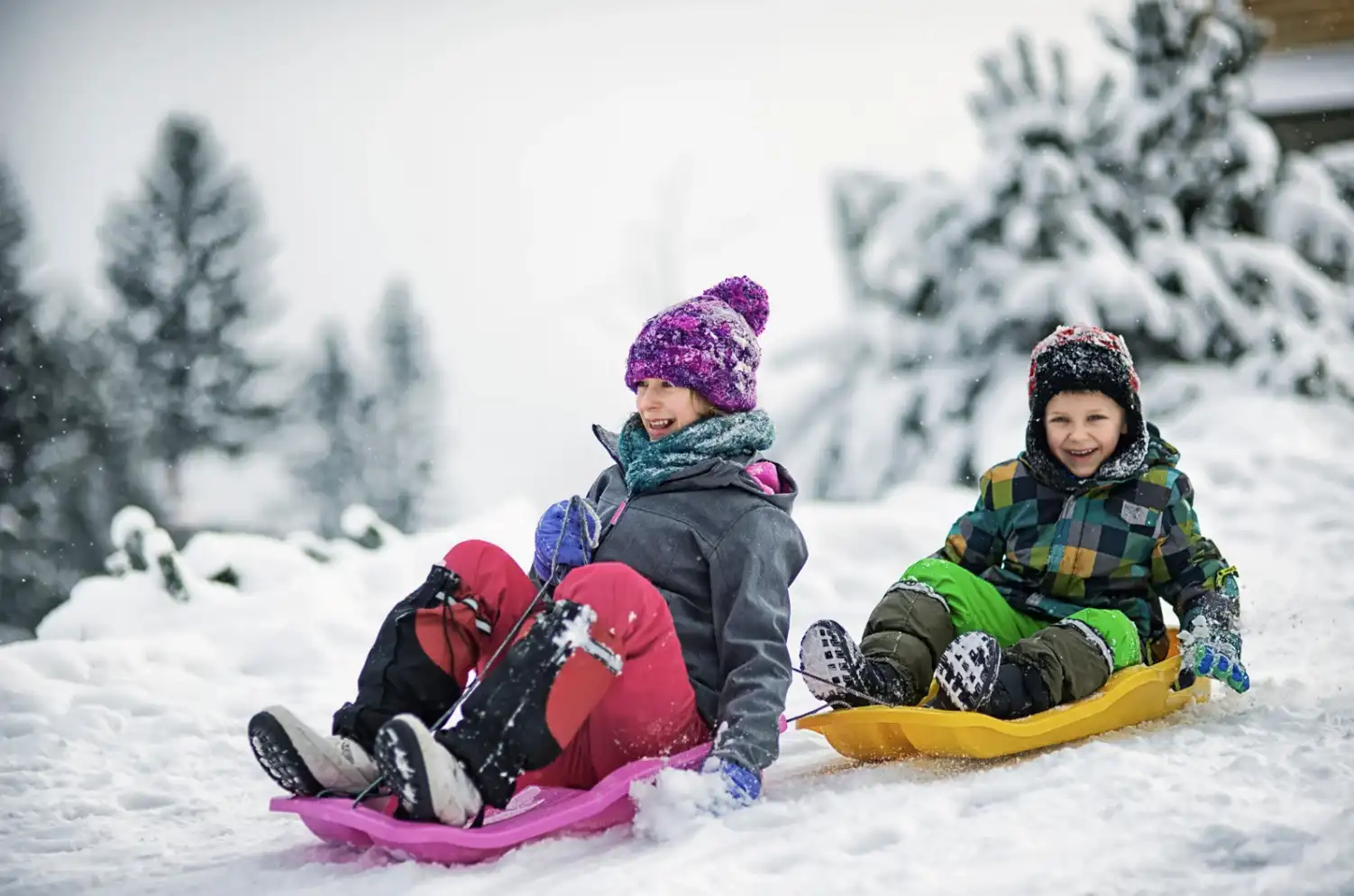
Winter provides a magical backdrop for photographers, with snow-covered landscapes, crisp air, and dramatic lighting. However, photographing in cold conditions can present unique challenges. To help you make the most of the colder season, here are some essential winter photography tips and tricks.
Dress Warm and Protect Your Gear
Staying warm is crucial when shooting in winter conditions. Wear insulated gloves, layered clothing, and waterproof boots to stay comfortable. Additionally, keep your camera protected by using a weather-sealed bag and lens hood to prevent snow and moisture from damaging your equipment.
Adjust Your White Balance
Snow can sometimes appear blue in photos due to incorrect white balance settings. To achieve natural-looking whites, set your white balance to “Daylight” or manually adjust it using the Kelvin scale for a warmer tone.
Use Exposure Compensation
Bright snow can trick your camera’s metering system into underexposing images, resulting in dull, grayish snow. Increase exposure compensation (+1 or +2 stops) to brighten the image and maintain the snow’s true brilliance.
Capture Golden Hour Light
Winter light is soft and diffused, making it perfect for photography. Take advantage of the golden hour (shortly after sunrise and before sunset) to capture warm, dramatic lighting that enhances snowy landscapes.
Look for Contrast and Textures
Snowy scenes can appear flat if they lack contrast. Look for elements like trees, buildings, or footprints to add depth and texture. Shadows cast by the sun on snow can also create interesting patterns and compositions.
Keep Batteries Warm
Cold weather drains camera batteries quickly. Keep spare batteries in an inner pocket close to your body heat and swap them as needed to ensure your camera stays powered throughout your shoot.
Experiment with Different Perspectives
Try shooting from various angles to create unique compositions. Get low for close-ups of frost-covered branches or shoot from a higher vantage point to capture expansive snowy landscapes.
Capture Snowfall with the Right Shutter Speed
To freeze falling snowflakes, use a fast shutter speed (1/500s or higher). For a more dreamy, blurred effect, opt for a slower shutter speed. Adjust ISO and aperture accordingly to maintain proper exposure.
Prevent Lens Fogging
Moving from cold outdoor conditions to a warm indoor space can cause lens fogging. To avoid condensation, place your camera in a sealed bag before bringing it indoors and let it gradually adjust to the temperature.
Have Fun and Experiment
Winter photography offers endless creative opportunities. Whether you’re capturing landscapes, portraits, or macro details, embrace the season and experiment with different settings and compositions to create stunning winter images.
Final Thoughts
Winter photography requires preparation and adaptability, but the results can be breathtaking. By dressing appropriately, adjusting camera settings, and using creative techniques, you can capture the beauty of winter in stunning detail. Get outside, enjoy the season, and start snapping those picture-perfect winter moments!